Waking up with a tender, red bump on your eyelid is an unwelcome surprise. This common issue, called a stye, can be uncomfortable and frustrating. You might wonder what you did to cause it, whether your stressful life could be a factor, and if your eye doctor is able to help.
While stress isn’t a direct cause of the infection that creates a stye, it can play a significant role. High levels of stress can weaken your body’s immune response, making it easier for the bacteria that cause styes to take hold. This means that managing your stress is not only good for your mind but for your eye health, too.
What Is a Stye & What Does It Feel Like
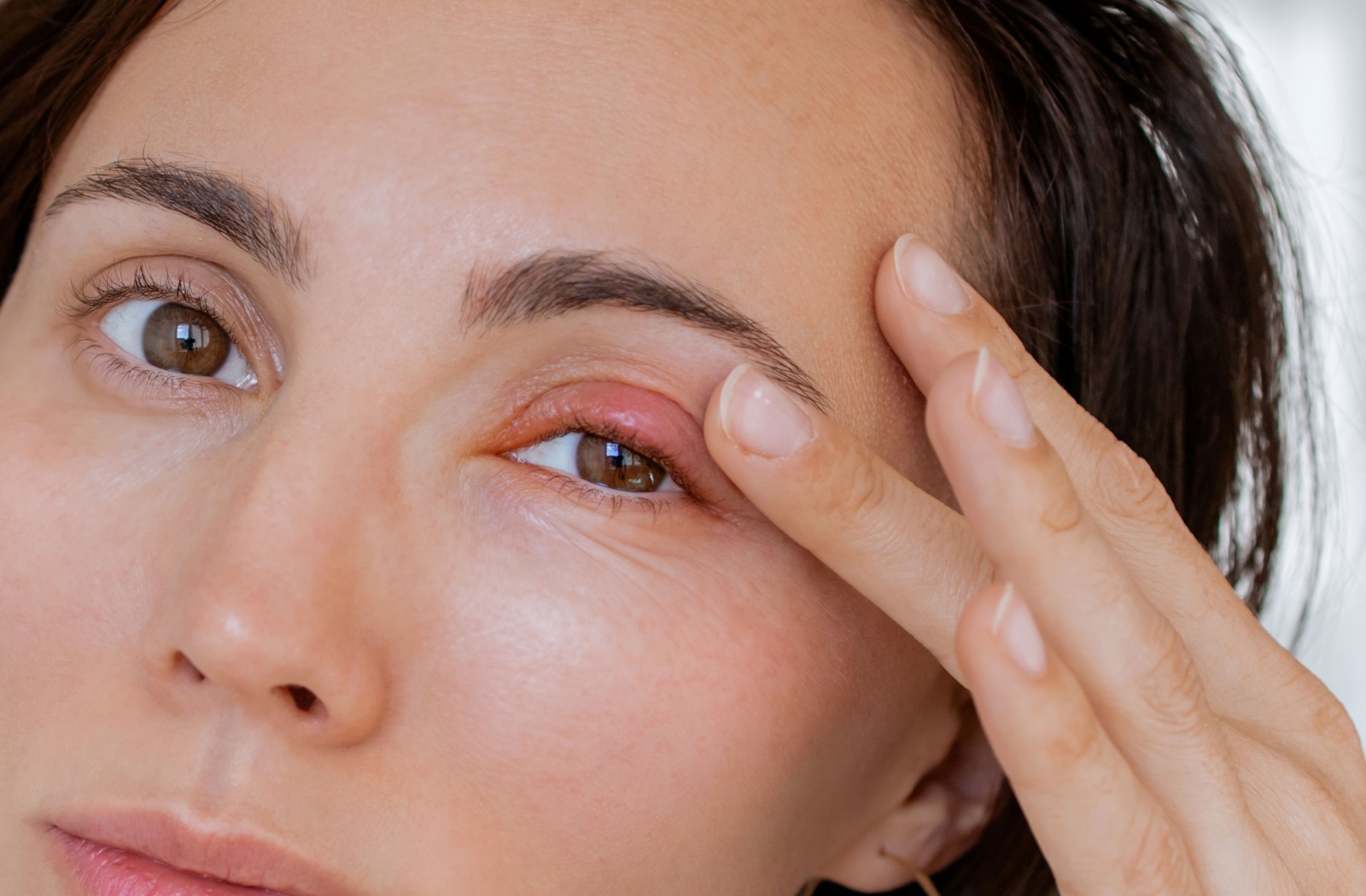
A stye is a small, red bump that forms along the edge of your eyelid, often resembling a pimple. Styes develop when an oil gland becomes clogged and infected with bacteria. Though very common, they can still cause noticeable discomfort and irritation.
Common Signs of a Stye
- A red lump on your eyelid that might look like a pimple
- Pain & swelling in the eyelid
- A gritty feeling, like something is in your eye
- Tearing or crustiness along the eyelid
It’s important not to confuse styes with other common eye conditions like conjunctivitis (pink eye).
The Link Between Stress & Eye Health
Stress itself does not create the bacteria responsible for a stye. Instead, extended periods of stress can affect your body’s ability to fight off infections. A weakened immune system has a harder time keeping common bacteria in check, which can make you more susceptible to developing a stye.
How Your Body Responds to Stress
When you feel run down or are under a lot of pressure, your body produces more of the stress hormone cortisol. Over time, elevated cortisol levels can suppress your immune system’s effectiveness. This can leave you more vulnerable to the types of bacterial infections that lead to styes.
Can Emotional Stress Cause Other Eye Problems
Yes, ongoing stress can sometimes contribute to other eye-related issues. You might experience things like involuntary eye twitches or moments of blurry vision when you’re feeling overwhelmed. These symptoms are often your body’s way of signaling that it’s time to rest.
What Else Can Trigger Styes
While stress can be a contributing factor, it’s just one piece of the puzzle. Several common habits and conditions can increase your chances of getting a stye. Being mindful of these triggers can help you protect your eye health.
Common causes of styes include:
- Touching your eyes with unwashed hands
- Leaving makeup on overnight
- Using old or shared eye makeup
- Not following procedures for proper contact lens care
- Having blepharitis, a condition that involves eyelid inflammation
How You Can Treat a Stye at Home
Fortunately, you can often manage a stye with simple care at home. The main goal is to reduce discomfort and help the stye drain on its own without causing further irritation. Patience and gentle care are key to a speedy recovery.
Simple Steps for At-Home Care
- Use a warm compress on the stye for 10-15 minutes, about 3 to 4 times each day.
- Keep the area clean by gently washing your eyelids with mild soap & water.
- Avoid wearing eye makeup & contact lenses until the stye has healed.
- Do not try to squeeze or pop the stye, as this can spread the infection.
Good Habits for Healthy Eyes
- Wash your hands thoroughly before you touch your eyes.
- Remove all eye makeup before you go to sleep.
- Replace your mascara & liquid eyeliners every 3 months.
- If you wear contacts, follow your eye doctor’s instructions for cleaning them.
- Find ways to manage your stress, such as through exercise or relaxation techniques.
How Long Do Styes Usually Last
With consistent at-home care, most styes will begin to improve and drain on their own. You can typically expect a stye to heal completely within about a week. If it lingers or worsens, it may be time to get it checked.
Prevention & When to See an Optometrist
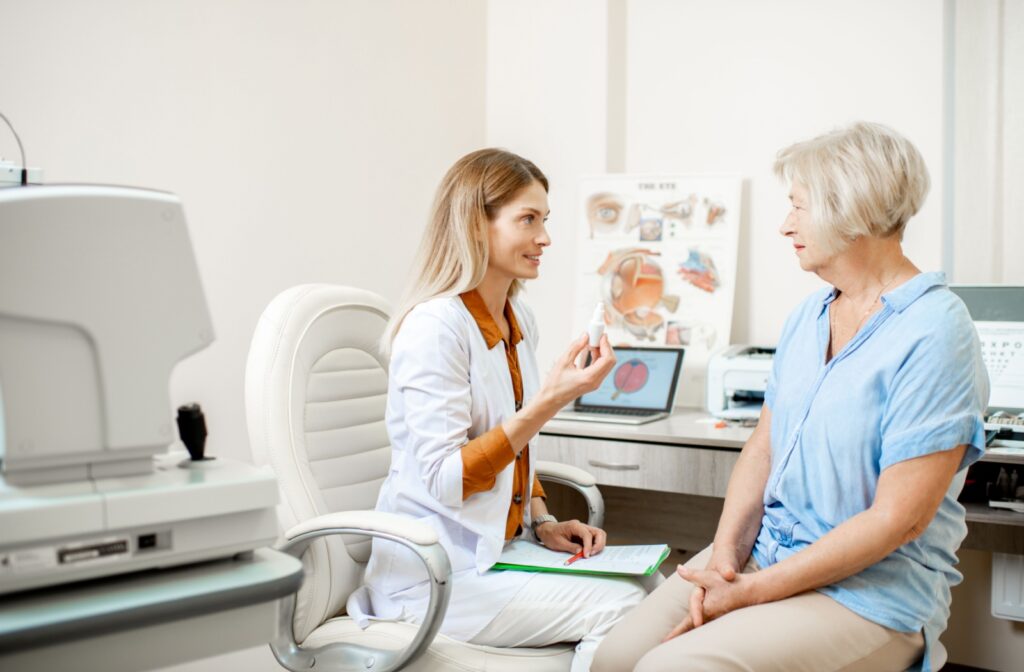
Most styes resolve without any issue, but sometimes a professional intervention is necessary. If at-home measures don’t help, our optometrists in Minneapolis can help you find a more effective approach.
Signs It’s Time for an Eye Appointment
- The stye isn’t starting to improve after 48 hours of home care
- The swelling & redness spread to your cheek or other parts of your face
- Your vision changes or becomes blurry
- The stye is very large or painful
Understanding the connection between your overall wellness and eye health is an important step in self-care. While stress can lower your defenses, simple hygiene and home treatment can often resolve a stye quickly. If you have a stye that isn’t getting better or causes you concern, we’re here to help. At Perspectives Vision Clinic, we provide care to help you see clearly and comfortably. If you’re struggling with a persistent stye or another eye concern, contact us today to book an appointment. We’re ready to help you find relief.