Key Takeaways
- Low light puts more demand on your eyes than daytime driving does.
- Age-related changes to your pupils and lenses can reduce night vision over time.
- Conditions like cataracts, dry eye disease, and uncorrected refractive errors can make night driving harder.
- Simple habits and the right glasses can make a real difference behind the wheel.
- An eye exam can catch what’s causing the problem and point you toward the right fix.
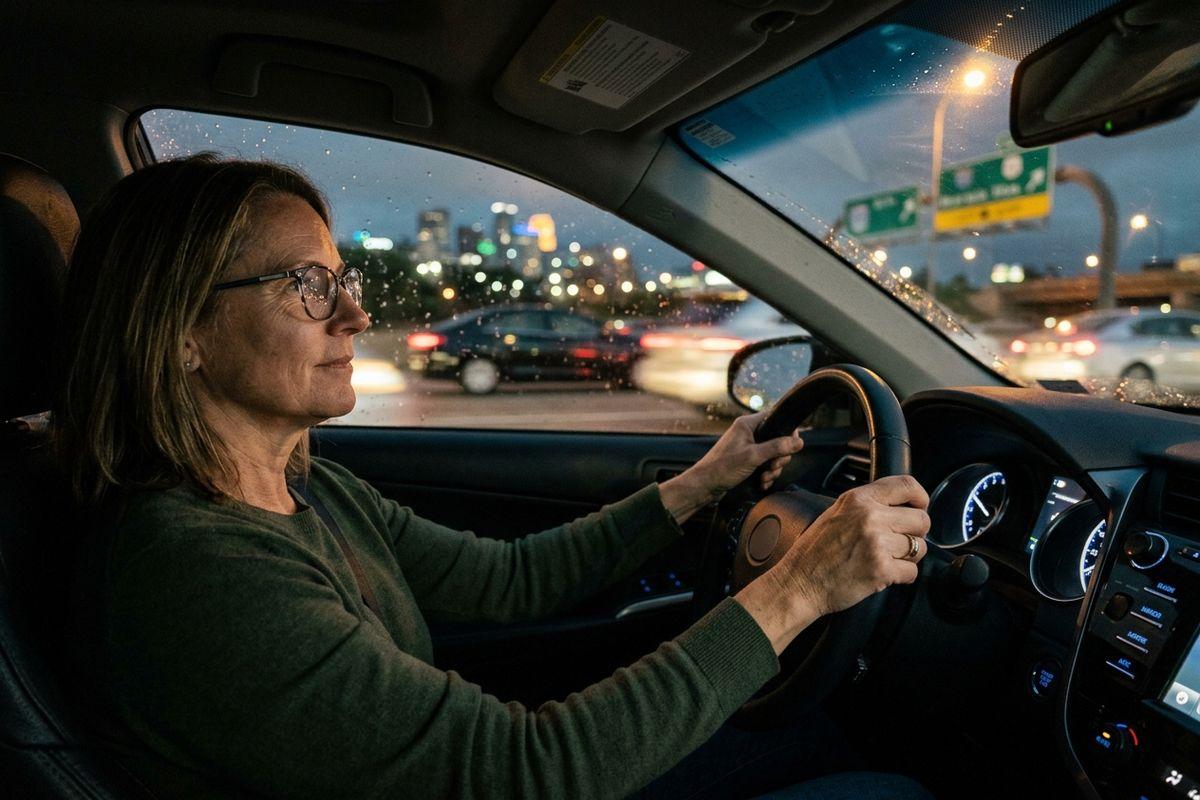
Night driving used to feel routine. Now you’re squinting at street signs, flinching at oncoming headlights, or second-guessing turns you’ve made a hundred times. That shift can feel subtle at first, but it’s worth paying attention to. Perspectives Vision Clinic helps patients in Minneapolis get to the bottom of changes like these, including the kind that creep up gradually behind the wheel. If you’re noticing more difficulty after dark, a comprehensive eye exam is a practical place to start.
Night driving can get harder when your eyes struggle to gather enough light, manage glare, or focus clearly in low light, and several factors can contribute at once.
What Makes Night Driving Harder on Your Eyes?
Driving at night asks a lot more of your eyes than daytime driving does. There’s far less light available, so your eyes have to work harder to pick up contrast, judge distance, and read signs clearly.
Glare from oncoming headlights is one of the most common complaints. It can wash out your field of view and make it harder to see what’s just beyond the light source. If you’ve noticed halos or starbursts around streetlights or traffic signals, that’s your eyes telling you something has changed.
How Age Affects Your Night Vision
Changes That Happen Over Time
As you get older, your pupils naturally become smaller. That means less light reaches the back of your eye. At the same time, the lenses inside your eyes can stiffen and begin to cloud, which increases sensitivity to glare and makes bright lights feel more disruptive.
When to Take Notice
These changes often show up gradually in your 40s and 50s, which makes them easy to dismiss at first. If you’re starting to notice new halos around lights or road signs look blurry after dark, those are signs worth bringing up at your next eye appointment. If symptoms persist or worsen, don’t put off getting checked. How often you need an eye exam can depend on your age and risk factors, so it’s worth knowing where you stand.
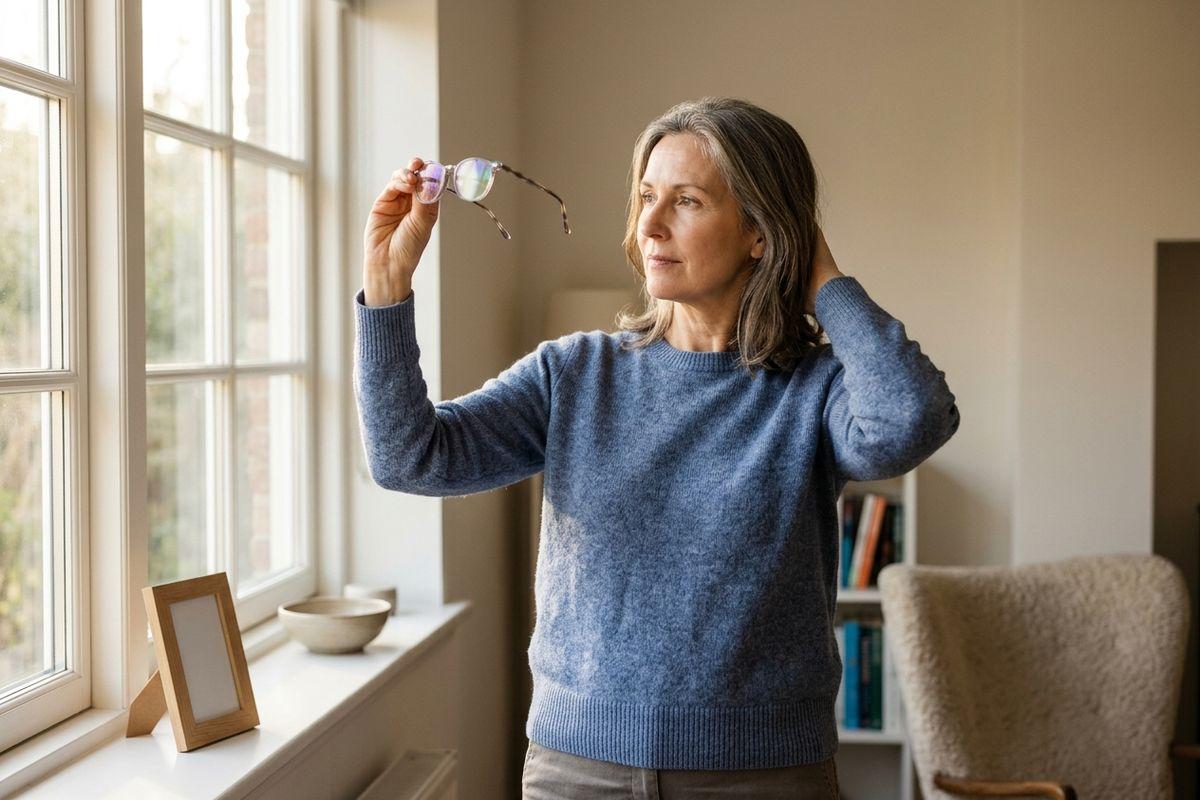
Eye Conditions That Can Affect Night Vision
Sometimes the difficulty goes beyond age-related changes. A few common eye conditions can make night driving noticeably harder. Here are some to be aware of:
- Cataracts involve clouding inside the eye that can make glare from headlights feel much more intense.
- Dry eye disease can make blur and glare worse, especially after extended time on the road.
- Uncorrected nearsightedness or astigmatism reduces sharpness and clarity in low-light situations.
Each of these conditions is something your optometrist can check for during a comprehensive eye exam. If you’re unsure whether your vision at night is connected to one of these, an eye exam can give you a clearer answer. You can also learn more about signs that may indicate a need for glasses, since some overlap with what shows up after dark.
Simple Steps That Can Help Right Now
Behind the Wheel
A few small adjustments can take some of the strain off your eyes while you’re driving. If oncoming headlights are hitting you directly, look slightly to the side of them rather than straight ahead. Slowing down in poorly lit areas also gives your eyes more time to adjust and react.
Your Car and Your Eyes
Your windshield and headlights collect grime that scatters light and adds to glare. Keeping them clean can make a bigger difference than you might expect. If dry eyes are part of the picture, using artificial tears before you drive can help reduce that burning, blurry feeling that gets worse at night.
How an Eye Exam Can Help
If night driving has become stressful, an eye exam is a practical place to start. An outdated prescription is one of the more common reasons night vision suffers, and an updated one can noticeably sharpen what you see after dark. Anti-reflective lenses are another option worth asking about, since they reduce the glare from oncoming headlights that makes night driving uncomfortable.
Our team in Minneapolis at Perspectives Vision Clinic can also check for underlying conditions that may be contributing to your symptoms. If something is off, catching it early gives you more options. Book an appointment and get a clearer picture of what’s going on with your night vision.