Key Takeaways
- Blurry vision, squinting, and headaches can all point to an outdated prescription.
- Physical symptoms like eye fatigue and double vision are worth taking seriously.
- Changes in night vision or light sensitivity may mean your lenses are no longer doing their job.
- Scratched lenses and bent frames affect how well you see, not just how your glasses look.
- An eye exam once a year helps catch prescription changes, often before they affect your daily life.
Your glasses work quietly in the background every day. When they stop keeping up, the signs tend to creep in slowly: a headache here, some squinting there, until you’re no longer sure what’s normal.
If you’re noticing any of the signs below, it may be time to schedule an eye exam and see if your prescription or frames need updating.
Your Vision Feels Off
This one seems obvious, but it’s easy to dismiss. If things look blurry at a distance or up close even while wearing your glasses, your prescription may no longer match your eyes. You might find yourself squinting to sharpen details on a sign or a screen, or holding your phone closer than usual to make the text readable. These signs often signal that your eyes are working harder than they should.
Your Body Is Sending Signals
Headaches and Eye Fatigue
Frequent headaches around your eyes or temples, especially toward the end of the day, can be a sign your eyes are straining to compensate for a prescription that’s no longer right. That same strain can leave your eyes feeling tired or achy by evening, even if you haven’t been staring at a screen all day.
Double Vision and Light Sensitivity
Seeing two images where there should be one is something to pay attention to. So is feeling uncomfortable in bright light, whether you’re indoors under overhead lighting or outside on a sunny day. Both can be connected to how well your lenses are correcting your vision.
Night and Low-Light Vision Has Changed
Driving at night feels harder than it used to. You’re noticing halos or glowing rings around streetlights and headlights, or your eyes seem slow to adjust when you move between bright and dim spaces. These kinds of changes are common, and they’re worth bringing up at your next eye exam. There are several reasons eyesight can shift over time, and our team can help sort out what’s behind the change.
Your Glasses Have Seen Better Days
Scratched or Damaged Lenses
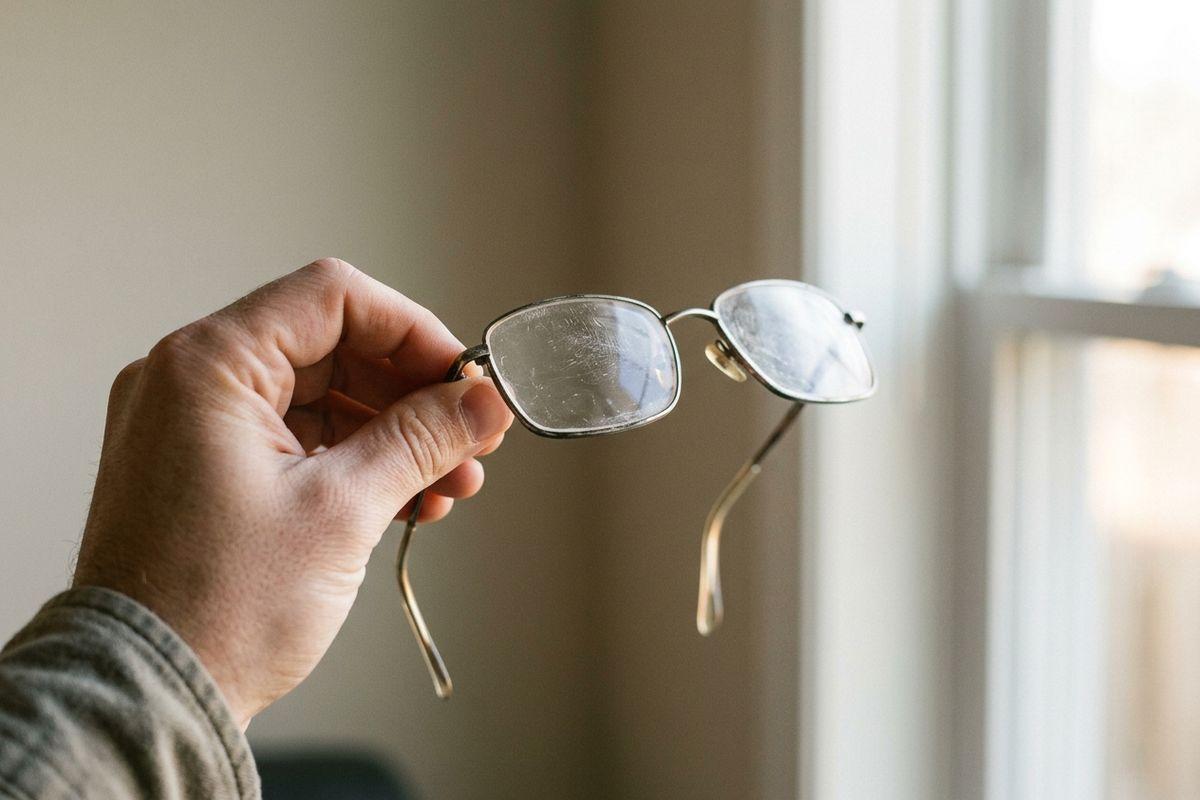
A scratch or two might seem minor, but lens damage adds up. Scratches can distort what you see and make glare worse. When lens coatings wear away, your glasses become harder to clean and less effective overall. At that point, new lenses can make a noticeable difference.
Bent or Ill-Fitting Frames
Frames that sit unevenly on your face shift the position of your lenses, which means they’re no longer lined up the way your optometrist intended. Even a small misalignment can affect how clearly you see. If your glasses slide, tilt, or just don’t feel right, the fit is worth addressing. Getting glasses through your optometrist means the fit, prescription accuracy, and lens quality are all reviewed together.
It Has Been Over a Year Since Your Last Eye Exam
Vision can shift noticeably within a year, sometimes without you fully realizing it. Regular eye exams can catch those changes early, often before they start affecting how you read, drive, or work. An optometrist can also review the health of your eyes alongside your prescription, so you get a complete picture, not just a lens update.
Come See Us
Our team at Perspectives Vision Clinic is here to help you stay on top of your vision. If it’s been a while since your last visit, or if any of these signs sound familiar, reaching out to book an appointment is a straightforward next step.